
Photography Standards
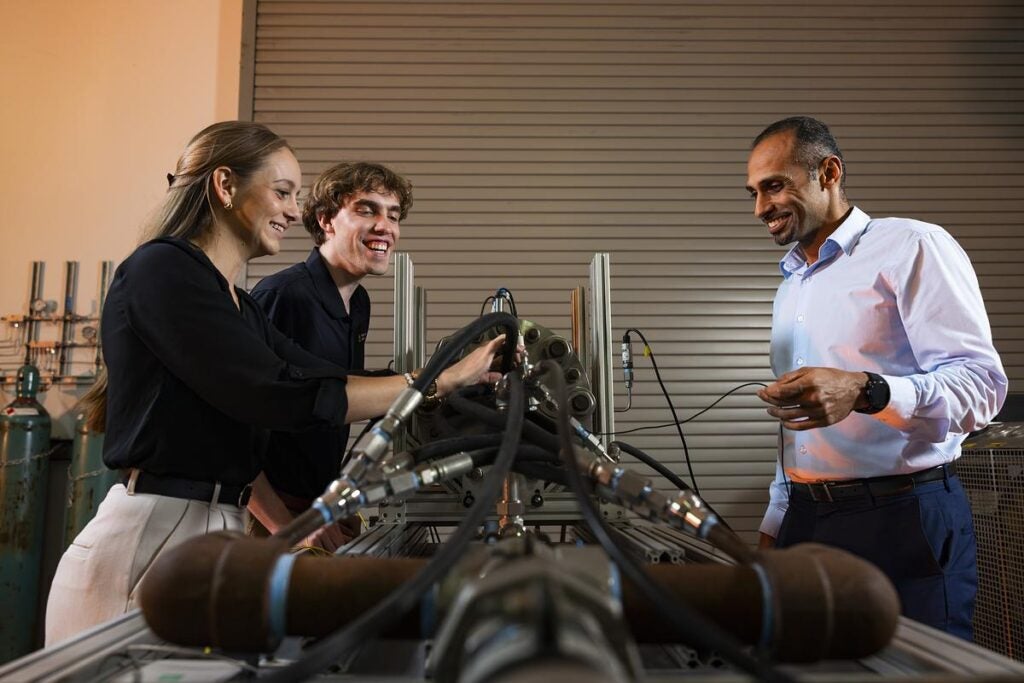
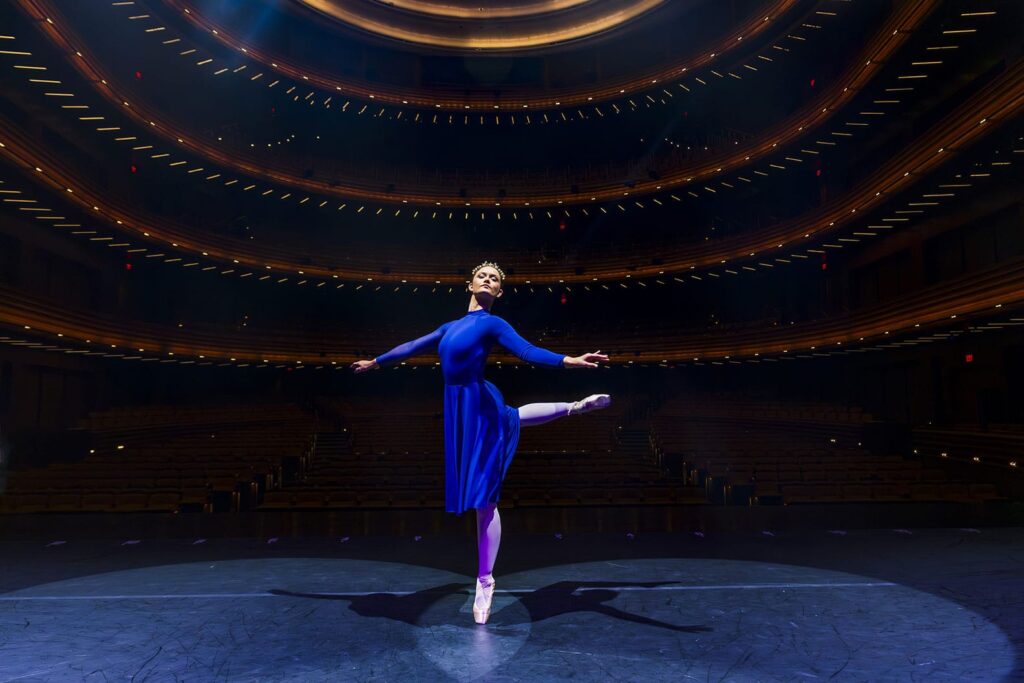

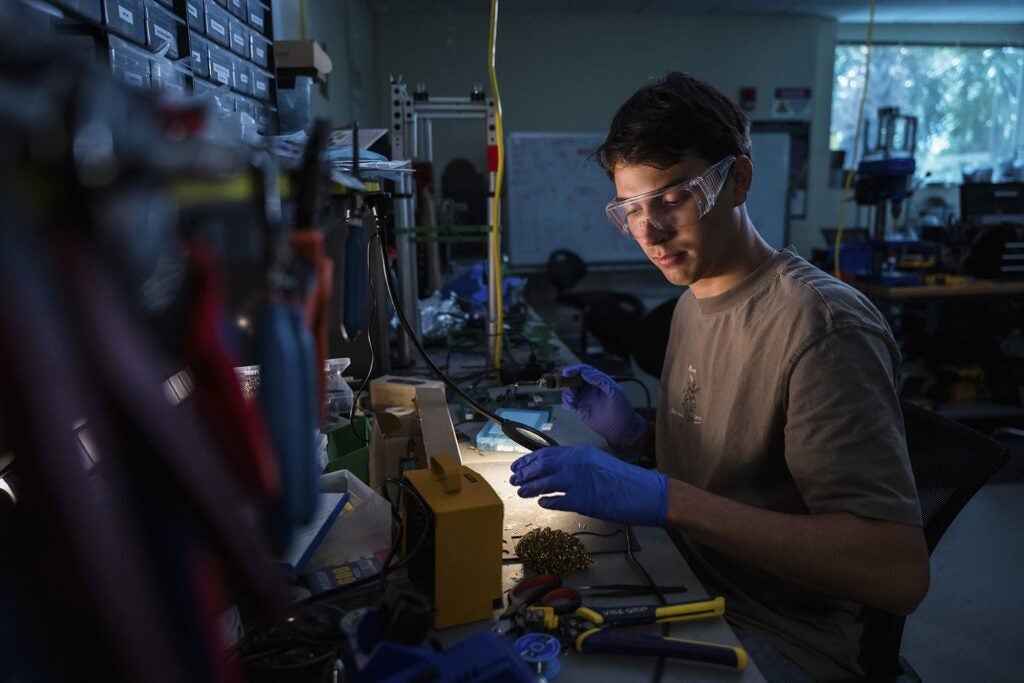
Our photography exists to tell authentic stories that inspire possibility, so images should feel genuine and cinematic without appearing artificial. They should also be timeless enough to represent UCF for multiple years.
With a human-centered approach, we emphasize themes like innovation, school spirit and aspirational moments through thoughtful composition and editing.
Subject(s): Capture moments, not poses — and people, not just places. Focus on people displaying natural emotion and show the environment to provide context that helps tell the story. Do not omit safety or PPE details, if applicable.
Composition and orientation: Be mindful of where and how the photo may be used, including whether vertical or horizontal orientations would be useful. Ideally, always capture both. Use leading lines where fitting, along with intentional negative space and depth. Do not capture everything at eye level.
- Example of how negative space is valuable: For a booklet with a one large photo on the cover, we need a natural spot to put a headline and subhead without covering integral elements of the image.
- Example of why careful composition matters: For the header section of a webpage, the image probably needs to be a very horizontal format on desktop and also work in a more square format on mobile.
Lighting: Use lighting to shape the mood rather than simply illuminate the subject(s). Lighting should feel purposeful and cinematic. Creative lighting can be used to support the narrative but should never overpower and become the focus of the image. Be mindful of where shadows fall, whether in the subject’s face or unevenly on their body, because unintentional shadows can be distracting.
Keep in Mind
Photos solely of buildings (interior or exterior) or campus beauty shots without people are typically not on-brand.
Post-Production
Color grading: Maintain consistent color throughout the photo library. Avoid heavy filters or trendy color grading that may be limiting or quickly become dated.
Photos should have:
- Accurate skin tones
- Rich but natural contrast
- Vibrant but believable colors
- Deep blacks without crushing shadow detail
Acceptable adjustments when editing:
- Dust spots
- Temporary blemishes
- Minor distractions
- Wrinkles in clothing (if appropriate)
Avoid when editing:
- Altering body shape
- Altering permanent features
- Altering authentic expressions
- Unnecessary Photoshop in general
- Blown-out skies or windows
Videography Standards
Our videos should engage audiences through thoughtful storytelling and authentic moments that reflect themes like ambition, discovery and human connection.
Rather than documenting events, we should reveal the people and purpose behind them. Whether highlighting groundbreaking research, student experiences or institutional achievements, every video should convey optimism, momentum and possibility.
Our visual language is cinematic but genuine, with camera movement, pacing, lighting and sound working together to create a connection that feels immersive and believable. The audience should leave feeling informed and inspired.
Overall vision: Think in sequences. Every edit should have enough coverage to build a complete narrative.
Subject(s): Do not omit safety or PPE details, if applicable.
Pacing: Maintain slower pacing for reflection or seriousness, and faster pacing for energy or excitement. Depending on the length and purpose of the video, it may be useful to bring the pace down a little to convey certain messages, then ramp it up to build anticipation and excitement, taking the audience on more of a ride.
Keep in Mind
The story should always take priority over technical perfection.
Post-Production
Color grading: Reinforce the UCF brand while maintaining realism.
Editing: It should feel invisible, letting the audience experience the story without taking them out of it.
Videos should have:
- Accurate skin tones
- Controlled highlights
- Strong contrast
- Vibrant but believable colors
- Rich blacks
Avoid when editing:
- Oversaturation
- Heavy orange/teal grading
- Extreme HDR appearance
Music and Audio Guidelines
Creative music selection: Music should support the story rather than dictate it. Select music based on the emotion, pacing and audience of the project. Songs with builds and transitions are especially useful because they give editors opportunities to shape the emotional arc of the video.
Music licensing: All music used in UCF videos should be properly licensed for its intended use and distribution. Before publishing, confirm that the license covers the platforms where the video will appear, including web, social media, paid advertising, broadcast or other distributions when applicable. Do not assume that purchasing a song, having access through a streaming service or finding music online grants permission to use it in a UCF video.
Dialog: It must always be clearly understandable. Music should sit underneath interviews and voiceovers so it doesn’t compete.
Interview-Style Videos
Where subjects should look: For most storytelling interviews, subjects should look slightly off-camera toward the interviewer. Interviews should feel conversational, not scripted. Direct-to-camera delivery should be reserved for when it’s necessary to speak directly to the audience, like welcome messages, announcements or calls to action.
Interview environments: The setting should help tell the story.
- Example: A researcher may be filmed in their lab instead of by the Reflecting Pond.
- Example: A student-athlete may be filmed in the locker room instead of in on-campus housing.
Filming with two cameras: Ideally, capture single-person interviews with two cameras to make the video feel more dynamic. The primary camera should establish the main composition, typically a medium or medium-close shot. The secondary camera should provide a tighter portrait, alternate angle or complementary composition. Camera positions should be different enough that cuts between them feel intentional instead of like a slight jump in perspective.
Avoiding distracting elements: Try to keep the frame clear of distractions — visible microphones are a common one. Attach lavalier mics to the inside of your subject’s clothing, if possible. Also crop out boom mics.
Special Protocols
Drone photography or filming
You’re required to notify officials at the UCF Police Department’s Department of Emergency Management for drone flight requests. You must provide your drone license number, flight plans, insurance and other details.
Model releases
UCF is a public university and photos or videos captured in public spaces are legal. It’s a best practice to use a model release form for key subjects, though.
Mediagraph
UCF’s digital asset manager, Mediagraph, houses our “Best of UCF” collection, which is available for anyone to view. Our entire asset library is accessible with an account. Request an account if you’d like access.

QUESTIONS ABOUT ON-BRAND PHOTOS OR VIDEOS?
Reach out to University Brand and Marketing as early as possible in your planning process.