When we think about technology, our brains might jump first to the phones in our pockets, the GPS in our cars, the computers we use at work or the latest AI innovations. But what if we think about technology as its dictionary definition of using knowledge, tools and methods to solve problems? In that case, technology and innovation are around us in more ways than we realize.
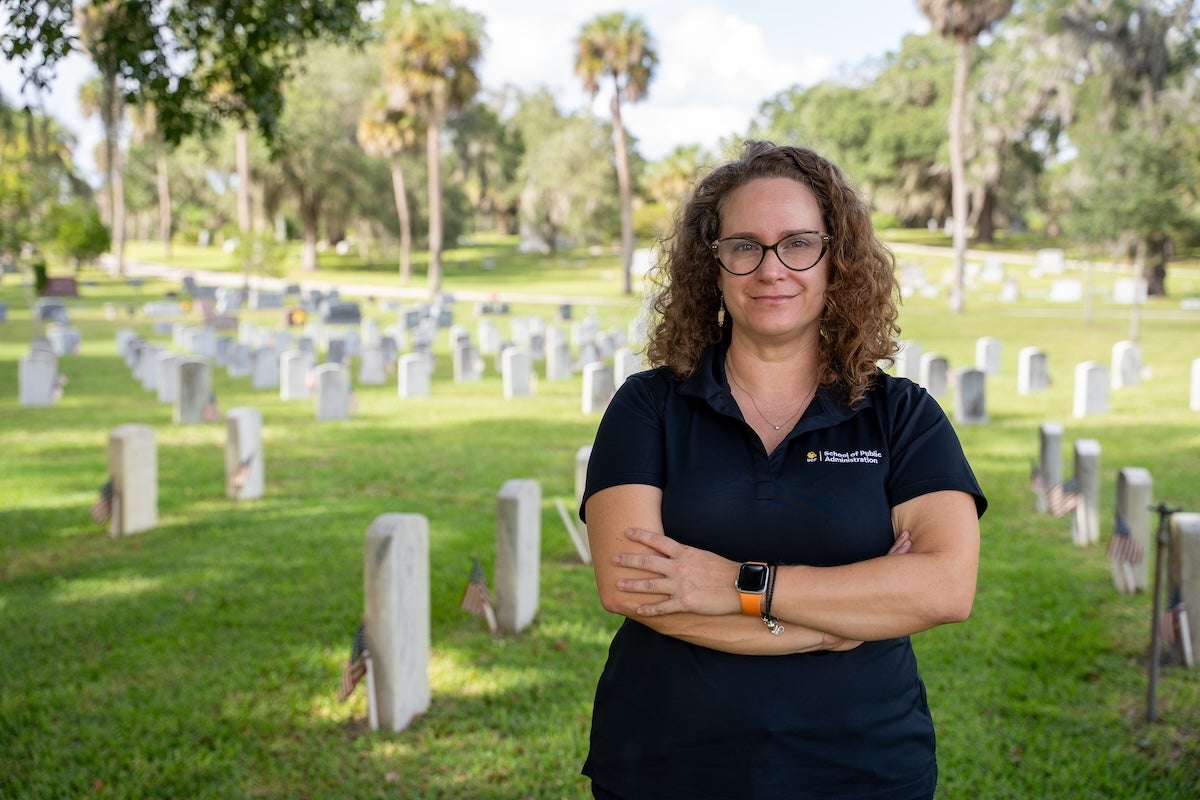
Cemeteries, if we think about it, are innovative places and spaces for body disposition in the U.S. During the time of the Industrial Revolution in the country, cities expanded rapidly — and so did the rise of pollution and the spread of disease in tightly packed cities. At the time, death was more communal and family-centered, with many homes even having death rooms. Burial grounds were located in city centers and churchyards. But as cities became more crowded and diseases moved quickly, there was a desire for public health interventions, including burials on the outskirts of town.
Where Mourning and Innovation Meet
This gave rise to what was called the rural (or garden) cemetery movement. The name is a misnomer because these areas were not what we think of as urban versus rural today. The rural cemeteries were miles away from city centers to prevent the spread of disease, especially in packed burial grounds. Many credit the first rural garden cemetery in the U.S. as Mount Auburn in Massachusetts, with its sprawling green spaces, carefully planned streets and beautiful sculptures. Elites took trips to the cemetery to see and be seen. It became a space for people to breathe clean air, take picnics and recreate. The cemetery was an innovation in how people buried their loved ones. Some convincing was needed to bury people there because it was a new way of body disposition, but with some creative marketing, the cemetery movement took off.
Cremation changed the sector once again, but that also took some convincing because of religious opposition to burning bodies in Western culture. Again, the innovation was not what many people in the West were used to — burial was always in-ground. How can people mourn when there is no body? My research at Durham University as a Durham Collections Fellow allowed me to look at the archives of The Cremation Society in the United Kingdom, where many records traced the long history of trying to convince Western societies to adopt the practice. Eventually, cremation surpassed in-ground burial as the preferred disposition method globally. We do not often think about our final wishes having anything to do with technology and innovation, but they are so closely linked and ideally should match how we feel about those things during life.
Engineering Sustainable Deathcare Alternatives
Today, the deathcare industry continues to embrace innovative practices. One is natural organic reduction — sometimes called human composting. It is a greener burial option that turns the body into soil through innovative technology based on a process typically found on farms. For humans, bodies are placed in purpose-built vessels that break down the body slowly and eventually turn it into soil that can be used to enrich land. This process, as of now, is legal in 14 states. Aquamation, also called alkaline hydrolysis, is water cremation — another innovative alternative to flame-based cremation.
In my interviews with public servants running municipal cemeteries throughout the U.S., it was interesting to hear how they were handling changes in burial practices. One person in the state of Washington detailed creating a new portion of their cemetery specifically for “cremains” that included paved walkways, water features and a view of Mt. Rainier (when the mountain is visible). Even though cremation plots there are a bit expensive, he said community members are buying them up in droves. Another person in Massachusetts talked to me about finding ways to do green burial in their municipal cemetery without it costing upward of $10,000 and ensuring worker safety because there is no equipment to help lower the decedent into the ground.
Community Service Powered by Humanity
This is why I find it fascinating to be a professor of public administration studying the public servants who choose a life surrounded by death. They provide vital services we rarely see yet might need someday. I have asked about 70 of them why they do what they do. For all of them, it is about helping people through tough times, giving back to the communities they serve and making the lives of the living a bit better. Perhaps innovation lies in the emotional connection they build with other humans. That connection should be at the root of all technology.
About the Researcher
Staci Zavattaro is a professor of public administration in UCF’s School of Public Administration. Her latest research focuses on the public management of death. She served as UCF’s inaugural Big 12 Faculty Fellow in 2026, when she visited Iowa State University and the Johnson County Medical Examiner Department to continue her collaborative research. She also served as a Rockefeller Institute of Government Policy Fellow in 2022.