
The Scale of What’s Happening
Right Now
The 2026 FIFA World Cup is the largest sporting event in human history and it is unfolding in Florida right now. Forty-eight national teams, 104 matches across three countries and 16 host cities, running June 11 through July 19. Miami (Hard Rock Stadium) is hosting seven matches: four group stage, a Round of 32, a quarterfinal and the Bronze Final on July 18. The Miami Host Committee projected 600,000 to 1 million visitors to South Florida during the tournament, with FIFA estimating $1.3 billion in direct economic activity for Miami-Dade and Broward.
International fans who traveled for Miami matches are extending trips through Central Florida, combining the World Cup with theme parks, beach stays and Orlando’s own fan infrastructure. The Orlando Soccer Celebration presented by Verizon is broadcasting all 104 matches at Pointe Orlando through July 19, with full fan zones, live entertainment and global food and beverage — drawing additional international visitors to the region daily.
Across the United States, the global economic impact is estimated at more than $11 billion in direct tourism revenue. Airbnb, the Official Alternative Accommodation and Experiences Booking Platform, expects more than 380,000 guests during the tournament, making this the largest event in Airbnb’s history, surpassing the Paris 2024 Olympics. A Deloitte study estimates those stays will contribute $3.6 billion to host-city economies.
With the likes of Brazil, Uruguay, Colombia, and Scotland all playing group stage games at the Miami (Hard Rock) Stadium, Florida is already at the forefront of World Cup Fever! With fans from these four heavily supported teams, and others from across the world, gathering across South Florida, the economic and cultural benefits to the existing hospitality economy are profound. Not only are these benefits immediate but they provide an incredible platform for future growth as the world is reintroduced to the warm and generous hospitality of Americans and the United States!
That macro picture lands differently when you understand what is actually behind it: the specific workforce, technology systems, crowd management expertise and cultural intelligence that Florida’s hospitality industry has spent decades building. The tournament is already running. The question is how it got ready and what that reveals about the future of hospitality at global scale.
June 11-July 19, 2026

The Workforce Making It Run
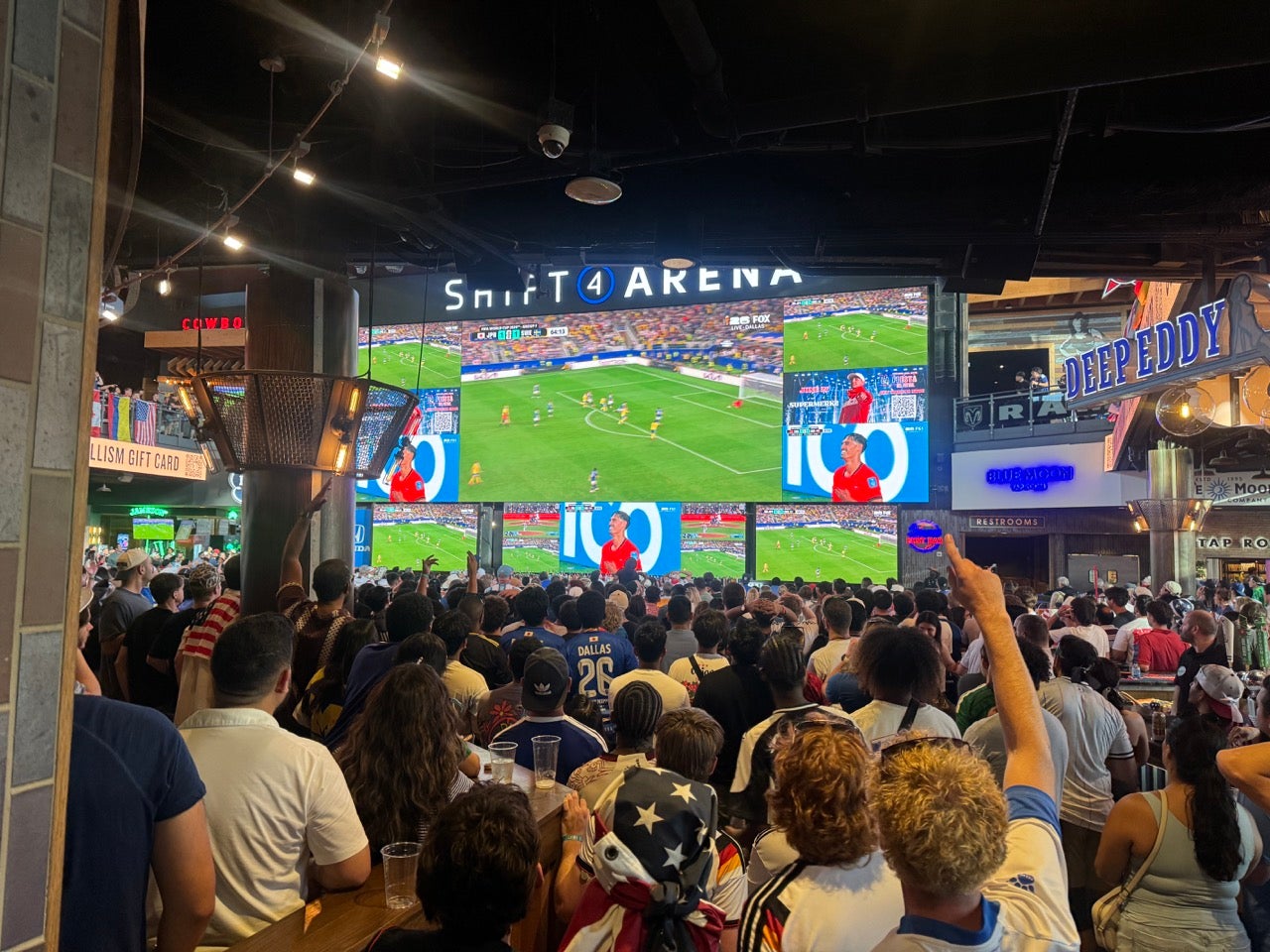
Every major sporting event depends on a hospitality workforce most people never think about: the hotel general manager coordinating room blocks for eight national teams, the food and beverage director sourcing halal and vegetarian menus at scale, the front desk associate navigating four languages in a single shift, the event coordinator managing credential zones for 3,000 credentialed media. In Florida right now, a significant proportion of those professionals trained at UCF.
Florida’s sport tourism economy already supported 978,200 full-time and part-time jobs before the World Cup (Florida Sports Foundation, FY19-21). The tournament surge has accelerated demand across every tier, from entry-level guest services to supervisory operations and across all levels of management and senior strategy. Staffing agencies across Central and South Florida expanded specifically to handle fan fests, sponsor activations and international hospitality operations running through July 19.
Rosen College’s curriculum is built around this operational reality. Students completing internships and applied projects with the Greater Orlando Sports Commission, UCF Athletics, the USTA National Campus and the Arnold Palmer Invitational graduate already fluent in large-scale event hospitality. That preparation is visible in the field today.
Alan Fyall, Ph.D.
Visit Orlando Endowed Chair of Tourism Marketing, UCF Rosen College
Florida’s vast, diverse and highly experienced hospitality workforce is well positioned to provide a truly world-class experience for soccer fans arriving from all over the world. Beyond Miami, host to many group and higher-level matches, the likes of Orlando and Tampa Bay are also benefiting from fans appreciating their own “Fan Zone” experiences.
The ripple extends beyond direct event workers. Florida’s hospitality labor market is interconnected: demand in Miami shifts pressure to Broward, Palm Beach and Central Florida as international visitors extend their travel. UCF-trained professionals managing hotels, restaurants and convention centers along this corridor are absorbing World Cup overflow and coordinating with the Orlando Soccer Celebration venues throughout the summer.
Hotels & Lodging
General managers, revenue directors, front office coordinators and concierge teams managing team blocks, media delegations and fan group bookings across South and Central Florida.
Food & Beverage
Executive chefs, catering managers and F&B directors sourcing and executing menus for guests from 48 competing nations with diverse dietary requirements, religious food practices and unfamiliar flavor expectations.
Event Operations
Event directors, logistics coordinators, sponsor activation managers and guest services teams running fan zones, hospitality suites and ancillary events across the 39-day tournament window.
The Graduates Running the Show
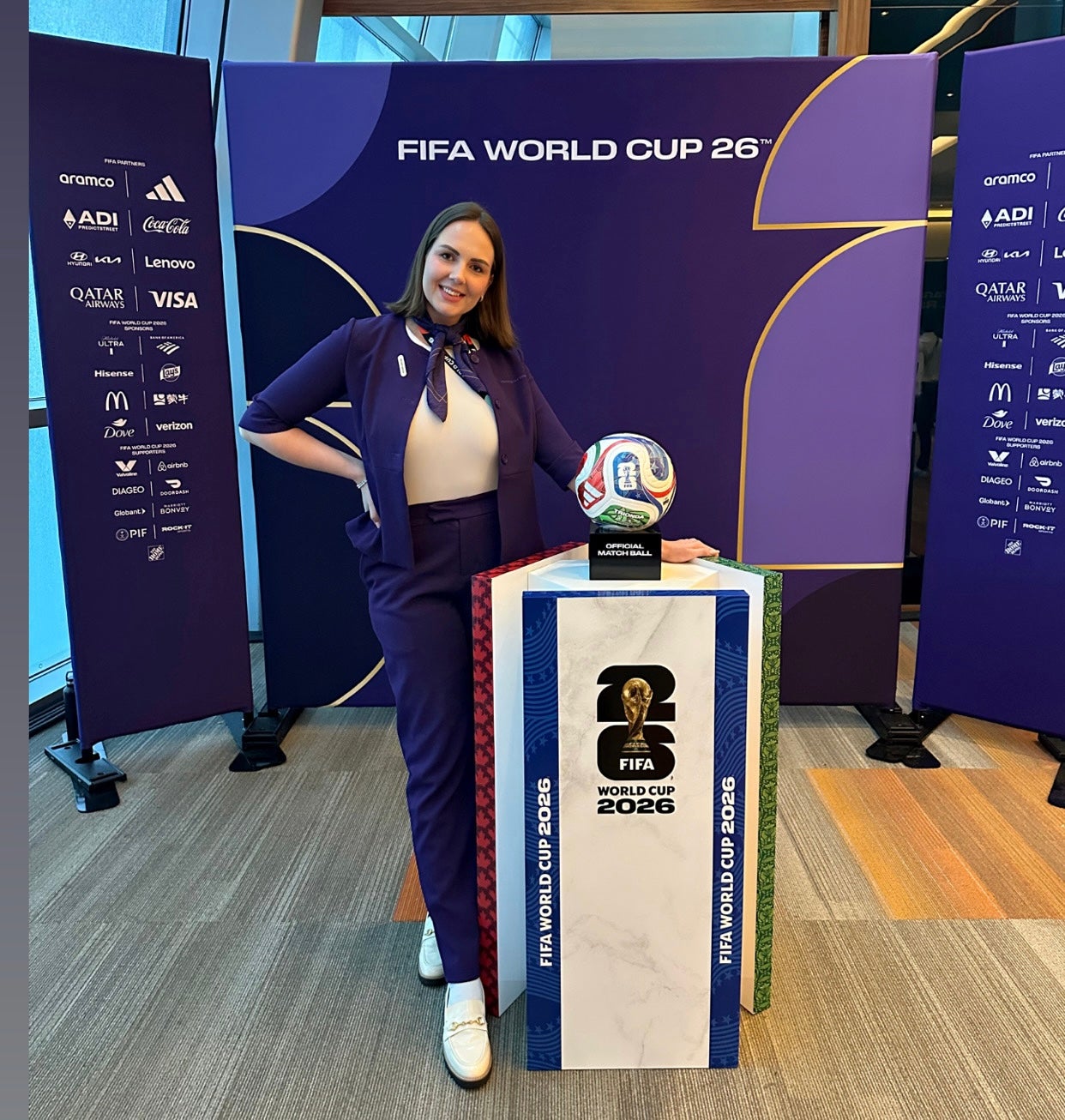
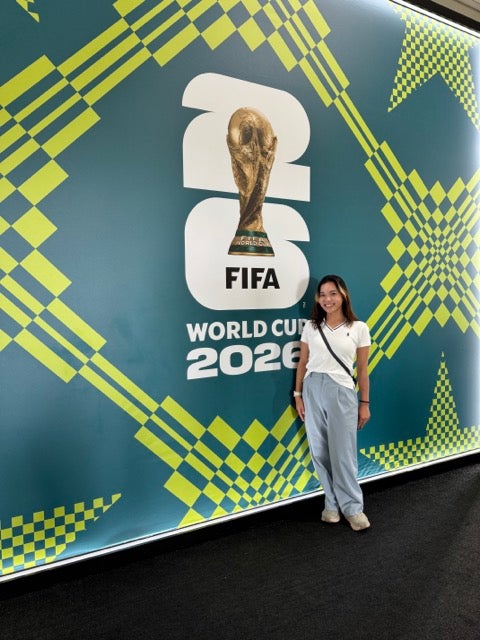
UCF graduates aren’t watching the 2026 World Cup from the sidelines and they are operating it. From media logistics in Atlanta to Fan Festival production in Houston to accreditation coordination in Miami, Knights across disciplines — hospitality, sport business, communication, kinesiology and business — are working at every level of the tournament right now. Their paths into these roles share a common thread: real-world preparation, a culture of networking, and the confidence that comes from training in the world’s most demanding live-event environment.

Role:Media Operations & Services
📍 Atlanta
“UCF’s emphasis on networking, collaboration and real-world experience opened doors to internships and jobs that helped me gain confidence in putting myself out there.”

Role: Sr. Coordinator, Client Group Management Accreditation
📍 Miami
“Working for a sports organization as big as FIFA has been a dream of mine, and to be involved with an event like the World Cup is surreal to think about.”

Role: Event Executive, FIFA Fan Festival
📍 Houston
“Because of the connections, mentorship and opportunities I gained through UCF, these experiences expanded my confidence and showed me that I truly belong in this industry.”

Role: Workforce Integration Sr. Coordinator, Tournament Operations Center
📍 Miami
“I will be in the heartbeat of the headquarters of the tournament, fulfilling operational needs for all departments while manipulating data to make informed decisions for all venues.”
Role: FIFA World Cup Operations
📍 U.S. Host City
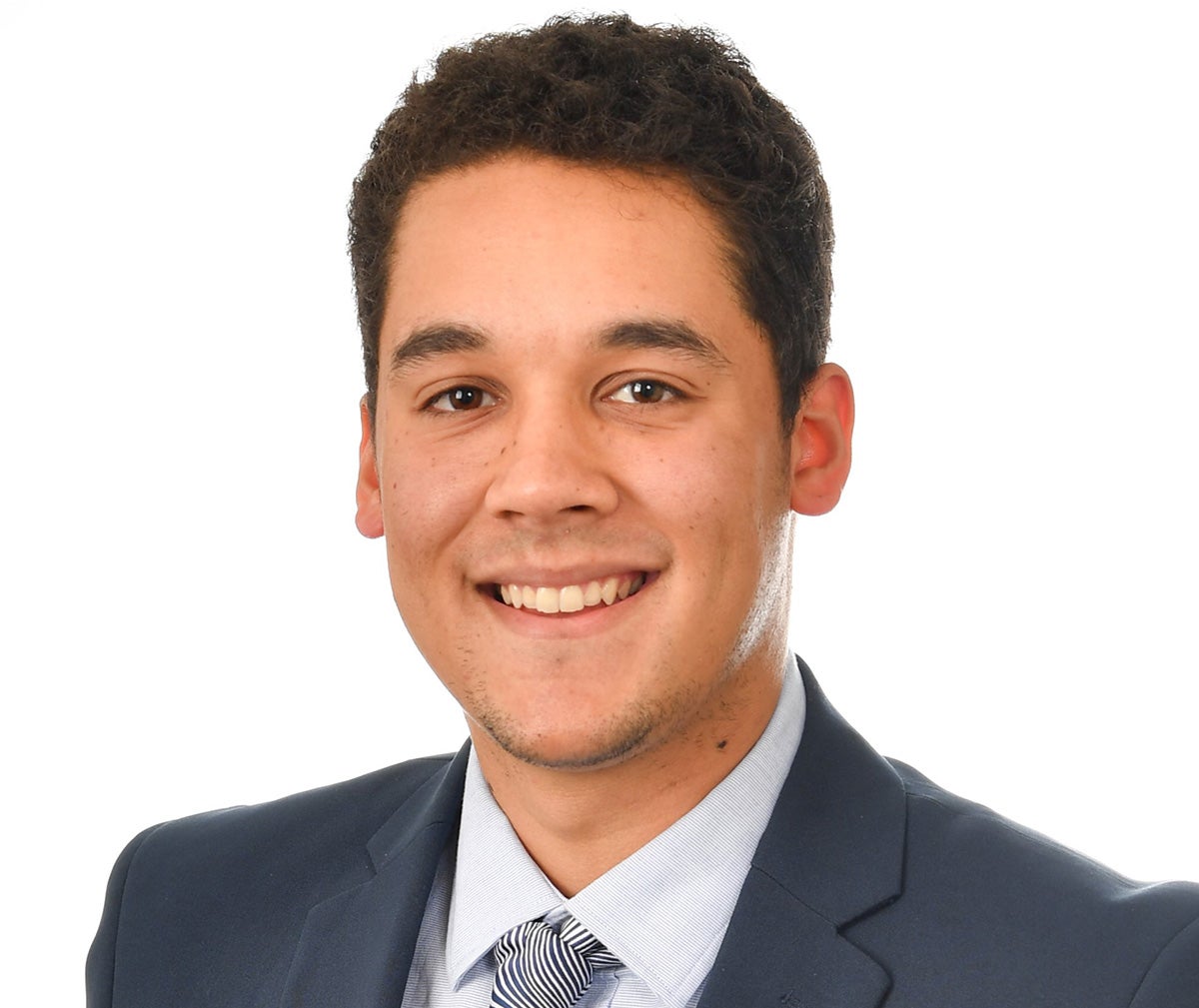
One of several UCF graduates working in logistics, venue management and tournament operations across U.S. host cities this summer.
Technology at the Front Line of World Cup Hospitality
Managing a World Cup surge requires more than bodies on the floor. The hospitality technology revolution was accelerated by the pandemic and now has matured enough for daily operational deployment. This is the invisible infrastructure letting Florida’s industry handle unprecedented volume without proportional increases in labor costs or service failure rates.
UCF’s Rosen College has been at the forefront of hospitality technology research for years. Faculty have published extensively on service robotics, AI adoption in guest-facing roles, demand forecasting and the human-technology dynamics that determine whether new tools actually improve operations. The latest Rosen Research Review examines the full frontier: chatbot-powered smart hotels, service robots reshaping frontline work, autonomous vehicles, biometric boarding and the enjoyment factor in AI adoption. This is the 2026 operational baseline for Florida’s top-performing properties are being deployed right now during the World Cup.
“For me, robotics is about giving hospitality teams the breathing room to care more deeply for people.” — Juan Higueros, Co-Founder & COO, Bear Robotics, in conversation with UCF Rosen College, Rosen Research Review Vol. 5 (2026).
Service Robotics
UCF faculty documented how service robots reduce employee strain during high-volume periods in Journal of Hospitality and Tourism Technology (2024) and Cambridge University Press (2025), and hosted a Spring 2025 robotics symposium with Bear Robotics.
UCF Research
AI & Demand Forecasting
AI-powered revenue management systems allow hotels and venues to forecast demand by nationality, arrival pattern and spending behavior is enabling accurate staffing, inventory and pricing decisions throughout the tournament.
Operational Deployment
Contactless & Mobile-First
Mobile check-in, keyless entry, app-based concierge and contactless payment are standard at Florida’s major properties which are critical for serving guests who benefit from navigating services in their own language through a smartphone interface.
Guest Experience
Travel Technology & Analytics
UCF’s Travel Technology & Analytics MS trains professionals in the data systems powering modern hospitality: booking analytics, customer segmentation, channel management and predictive modeling. This is the analytics layer beneath every Florida hotel’s World Cup revenue strategy.
UCF Program
Biometrics & Smart Access
Biometric boarding and credential scanning systems deployed at Florida airports and major venues accelerate throughput for international travelers. UCF Rosen research on biometric adoption informs how these systems are calibrated for guest experience.
Infrastructure
Multi-Language & Accessibility Tech
Real-time translation tools, AI-powered chat interfaces and accessible wayfinding apps deployed across venues serve the 48-nation fan base are connecting guests unfamiliar with U.S. systems, making the difference between a navigable and a frustrating experience.
Inclusion Technology
UCF research is clear: technology adoption succeeds or fails based on how it is introduced to the workforce, not just the guest. The promise and perils of technology adoption depend on organizational practices around integration, training and employee empowerment. Florida hospitality leaders who invested in proper tech onboarding are outperforming those who did not and that gap is measurable during the World Cup.
What Theme Parks Taught Us and the World Cup Is Using
UCF Rosen College graduates lead operations at:






Orlando’s world renowned theme parks: Walt Disney World, Universal Orlando, SeaWorld and LEGOLAND have spent decades solving the exact problems the World Cup presents: managing massive multilingual crowds safely; maintaining service quality under extreme demand spikes; deploying dynamic pricing without destroying goodwill; using real-time data to optimize guest flow across large, complex venues.
The operational playbook these parks developed is now the global standard. FIFA adopted demand-based dynamic ticket pricing for the first time in 2026, with group stage seats starting at $60 and final tickets at $6,730, directly inspired by tiered pricing models proven at theme parks and concert venues. Universal and UCF formalized this relationship in May 2026 with the Universal School of Experience Leadership and Innovation — a new dual-school model within Rosen College, backed by $10 million — preparing graduates specifically for high-volume guest experience leadership at the scale the World Cup demands.
Alan Fyall, Ph.D.
Visit Orlando Endowed Chair of Tourism Marketing, UCF Rosen College
With millions of visitors attending Orlando’s world-famous theme parks throughout the year, Central Florida has a deep and expanding expertise that reaches beyond the management of its attractions. Orlando’s theme park operational heritage applies directly to mega-event management with principles of crowd flow, dynamic pricing and multilingual guest experience now being validated at World Cup scale.
-
Virtual Queuing & Flow Management
Disney’s Lightning Lane and Universal’s Express Pass pioneered virtual queue systems distributing crowd flow across time rather than space. Stadium entry, fan zone access and venue management for the World Cup deploy the same principle: pre-assigned entry windows, mobile ticketing and real-time occupancy monitoring to prevent dangerous surges.
-
Dynamic Pricing & Revenue Optimization
Florida’s theme parks have used demand-responsive pricing for years. FIFA’s adoption of dynamic ticket pricing in 2026 validates this approach for the global sports market and reinforces the curriculum UCF teaches in Hospitality & Tourism Management graduate programs.
-
Real-Time Operations Intelligence
Theme parks use sensor networks, camera-based crowd analysis and app data to monitor occupancy in real time then adjusting staffing and capacity dynamically. Event venues and fan zones managing World Cup crowds are deploying comparable AI-assisted systems, including technology proven at Qatar 2022 to predict crowd surges before they become dangerous.
-
Workforce Choreography
A theme park running at 70,000 daily visitors requires precise workforce choreography: staggered shifts, cross-trained teams and clear escalation protocols. World Cup operations in Florida draw on a labor pool trained in this exact environment and the professionals who built operational discipline on 50,000-person park days.
-
Safety Culture & Emergency Readiness
Florida venues draw on decades of theme park emergency protocols — evacuation design, medical response positioning, communication systems — to meet FIFA’s stringent safety requirements. UCF’s Event Management curriculum includes emergency management and risk assessment as core competencies.
Welcoming the World: Cultural Intelligence in Florida Hospitality
Forty-eight nations. Dozens of languages. A vast range of dietary practices, scheduling needs, cultural norms around service and interaction, and varying familiarity with American systems. The 2026 World Cup has brought a breadth of international visitors to Florida that is genuinely unprecedented in its scale. The ability of Florida’s hospitality industry to make those visitors feel genuinely welcomed, not just processed, is defining how the state is perceived on the world stage.
This is not a new challenge for Florida. Orlando welcomes 75 million visitors per year from around the world, and its theme parks have spent decades building multilingual, multicultural service environments. Florida’s hospitality workforce is one of the most culturally capable in the United States — a competitive asset the World Cup is directly leveraging right now.
UCF’s Rosen College has embedded cultural intelligence as a core competency throughout its curriculum. The Hospitality+ Center explicitly embeds cultural competence and global best practices into all workforce programs. Fyall, who sits on the Advisory Board of TravelAbility and has conducted tourism destination projects across Europe, Africa, Asia and the Caribbean bringing direct international perspective to this work.
Alan Fyall, Ph.D.
Visit Orlando Endowed Chair of Tourism Marketing; TravelAbility Advisory Board Member
The Florida hospitality workforce has extensive experience of serving visitors from all over the world. Every day, hospitality employees are accommodating visitors from nations with very different hospitality expectations, experience that is critical when serving high-energy fans from such diverse and contrasting backgrounds. This rich experience provides such a strong platform for the future of tourism, and sport tourism, to flourish across Florida!
Catering to Fans from All Over
Fan groups from the Middle East, South Asia and other nations require specialized considerations and facilities. Florida is coordinating dietary certification, space provision and service protocols — an operational challenge UCF research on global hospitality directly informs.
Language Access
Major fan groups from Brazil (Portuguese), Latin America (Spanish), France, Germany, Japan and South Korea bring thousands of visitors each. Bilingual staff, supported by AI translation tools and mobile app interfaces, reduce friction at every guest touchpoint.
Service Pace & Style
What reads as attentive service in one culture reads as intrusive in another. UCF trains professionals to read and adapt to these differences and not follow a single script. This is a skillset that is measurably improving guest satisfaction during the tournament.
Accessibility & Navigation
For first-time U.S. visitors from Latin American and African nations forming a large share of the fan base, tipping norms, credit card practices and transportation systems require proactive explanation. Clear wayfinding and guiding technology are critical hospitality infrastructure.
Fan Atmosphere & Safety
International soccer fan traditions — songs, supporter groups, passionate match day behavior — are unfamiliar to U.S. venue operators trained primarily on NFL or NBA events. Florida venues have received guidance on managing international soccer fan behavior safely and inclusively.

Orlando’s Blueprint: The Stress Test We’ve Been Preparing For
Orlando does not have an off-season. On any given day in June, the city is managing 200,000 theme park visitors, a major medical convention at the Orange County Convention Center, international soccer friendlies at Camping World Stadium, high school cheerleading nationals, a PGA event an hour south, and several hundred thousand hotel guests spread across a corridor stretching from Kissimmee to International Drive to downtown.
This is the environment UCF graduates enter. And it is the environment that has produced the operational knowledge and workforce capability Florida is deploying for the World Cup. Orlando welcomes approximately 75 million visitors per year, more than any other U.S. city, and was named the nation’s #1 Best Sports Business City for attracting and hosting events in 2024.
UCF built the region’s capability to operate at this scale. 25 years of Rosen graduates now manage the hotels, restaurants, event operations and destination marketing organizations that collectively make 75 million visitors per year possible. They are the institutional memory of how to run a complex, multilingual, multi-venue hospitality ecosystem under sustained pressure. The World Cup does not introduce a new operating challenge instead it applies the maximum load to a system that was built, through decades of education, research and industry partnership, to handle exactly this.

UCF in the Center of It All
UCF Rosen College sits at the geographic heart of the largest sport tourism and entertainment ecosystem in the U.S., just minutes from where its graduates work, and 250 miles from Miami’s World Cup venue. This proximity isn’t incidental. It is why Rosen College is the world’s #1 hospitality program: the industry is the classroom.
Cite This Source. Connect With Our Experts.
UCF Rosen College faculty are available for expert commentary, data, research citations and media interviews on all aspects of Florida hospitality and the 2026 FIFA World Cup. Our faculty have been published in Harvard Business Review and Cambridge University Press and are actively researching the workforce, technology and cultural dimensions of mega-event hospitality right now.
Request an Expert →Expert Research Areas
- Sport tourism economics & mega-event destination legacy (Fyall)
- Hospitality workforce, service robotics & AI adoption (Mejia, Crandell)
- Cultural intelligence & international visitor experience (Fyall)
- Event operations, crowd management & safety
- Destination marketing & Florida tourism policy (Fyall)
Dick Pope Institute
Tourism research, economic impact analysis and destination strategy.
Explore the Institute →Automation & Robotics Research
UCF’s research on AI, robotics and the future of hospitality technology.
Read the Research →Hospitality & Tourism at UCF
Programs, faculty expertise and research across UCF’s hospitality ecosystem.
Explore UCF Hospitality →