Key Takeaways
- Disaster nursing saves lives and strengthens communities by providing critical care when emergencies strike.
- Completing a BSN, gaining clinical experience and pursuing disaster-specific training prepares nurses for high-pressure situations.
- Volunteering or joining disaster response teams gives hands-on experience that builds confidence and competence.
- Emotional resilience, adaptability and teamwork are essential for navigating chaotic and resource-limited situations.
- Ongoing education and preparedness help nurses respond safely, ethically and effectively while supporting community recovery.
What is Disaster Nursing?
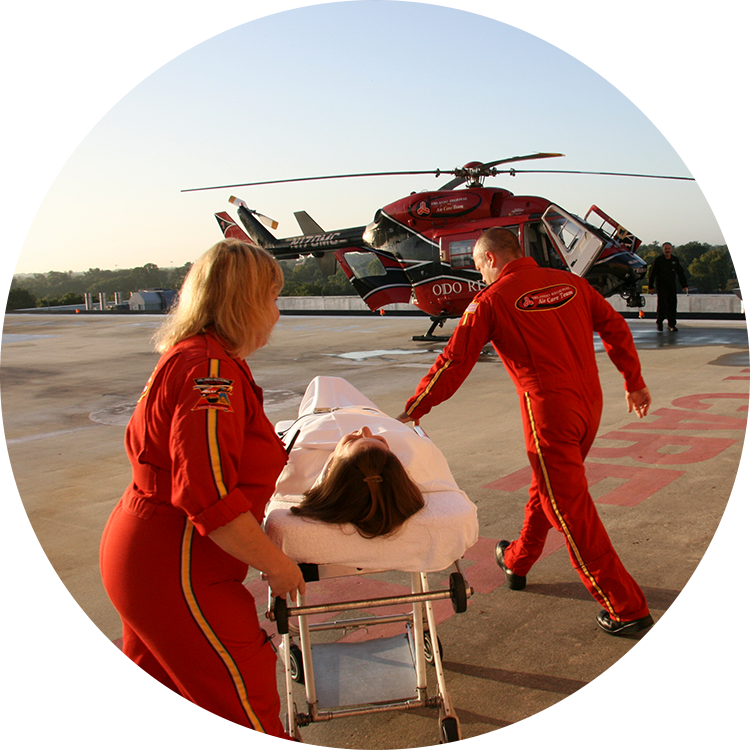
Disaster nursing is a specialized field that equips nurses to respond to emergencies of all kinds. These include natural events like hurricanes, earthquakes, wildfires and floods, as well as human-caused incidents such as chemical spills, epidemics and acts of violence.
In disaster situations, nurses care for patients of all ages and backgrounds in a range of settings — from emergency shelters and hospitals to field clinics and disaster-stricken zones. Working in these unpredictable and resource-limited environments requires flexibility, clinical expertise and emotional resilience.
Research indicates that the presence of disaster nurses can lower fatalities during emergencies by 50% to 70%, emphasizing their vital role in patient care and community recovery.
Why Is Disaster Nursing Important?
Disasters are becoming increasingly frequent and deadly. In 2024, natural disasters in the U.S. resulted in at least 568 direct or indirect fatalities, with the deadliest single event, Hurricane Helene, causing at least 219 deaths, particularly in North Carolina. Other major causes of death included severe storms, tornadoes and inland flooding.
Beyond the tragic loss of life, disasters disrupt communities, destroy infrastructure and create urgent public health crises. Disaster nurses are essential in these situations. They provide immediate medical care, stabilize patients, coordinate emergency response efforts and support communities in recovery. Their work can be the difference between life and death, highlighting the critical role this nursing specialty plays in today’s increasingly unpredictable world.
The Four Phases of Disaster Management
Disaster nursing aligns with the four stages of disaster management: mitigation, preparedness, response and recovery.
- Mitigation — Nurses help reduce disaster impacts by developing emergency plans, advising public health programs and contributing to policy and community preparedness.
- Preparedness — Nurses undergo formal training, participate in drills and strengthen skills such as triage, emergency communication and family preparedness. Although 78.4% of nurses receive disaster management training, only 52.5% participate in drills, highlighting the need for hands-on preparedness.
- Response — In the immediate aftermath, nurses assess and triage patients, provide first aid and coordinate with emergency teams to stabilize victims.
- Recovery — Nurses assist with long-term efforts, including psychological support, rehabilitation and evaluating response plans for future improvements.
By engaging in all four phases, disaster nurses help save lives and strengthen community resilience.
What Does a Disaster Nurse Do?
While disaster nursing isn’t typically an entry-level field, there are clear pathways for nurses who want to specialize in emergency and disaster response. In many states, licensed nurses are required to serve as first responders during emergencies, and even where it’s not required, nurses often volunteer to gain hands-on disaster experience.
Earn a Nursing Degree
Begin with a BSN from an accredited program. Many programs, including UCF’s healthcare degrees, integrate disaster preparedness coursework and simulations to help students build essential skills.
Gain Clinical Experience
Most disaster nurses have experience in high-acuity areas such as emergency rooms, trauma units or intensive care units. This foundation allows them to make quick, sound decisions in crises.
Get Specialized Training
The American Nurses Association (ANA) recognizes disaster preparedness as a core nursing competency. Nurses can pursue certification or continuing education in emergency management and disaster response, offered through organizations such as FEMA, the Red Cross or the National Disaster Medical System (NDMS).
Formal training in disaster nursing and emergency preparedness equips nurses to navigate overwhelming patient surges, evacuations and compromised healthcare infrastructure. This preparation reduces stress, maximizes effectiveness and improves patient and community outcomes during disasters.
Volunteer or Join Disaster Response Teams
Hands-on experience is essential. Nurses can pre-register with groups such as:
- American Red Cross – Volunteer opportunities during disasters
- National Disaster Medical System (NDMS) – Federal deployment of healthcare teams
- Emergency System for Advance Registration of Volunteer Health Professionals (ESAR-VHP) – Pre-credentialed nurse volunteers for rapid deployment
- International Medical Corps– Global disaster relief opportunities
Advance registration ensures readiness when disaster strikes.
What Skills Do Disaster Nurses Need?
To succeed in this demanding field, nurses need both technical expertise and personal qualities:
- Emotional Resilience – Staying calm and effective under extreme pressure.
- Adaptability – Thinking quickly and improvising in chaotic environments.
- Strong Clinical Skills – Experience in emergency, critical care or trauma is essential.
- Teamwork and Communication – Collaborating with healthcare professionals, volunteers and agencies.
- Ethical Judgment– Making difficult decisions during crises and resource shortages.
What Challenges Do Disaster Nurses Face?
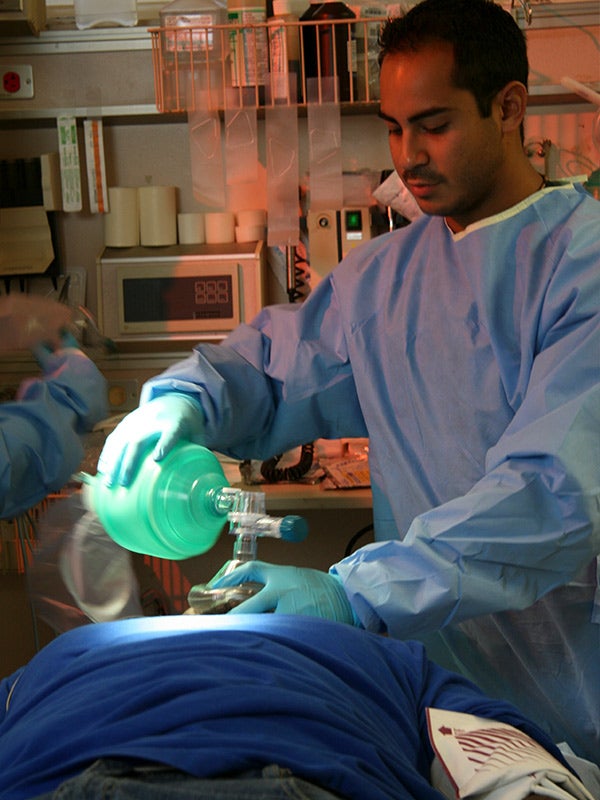
Disaster nurses experience many complex challenges, including:
- Ethical dilemmas during triage and resource scarcity
- Legal and licensing barriers across states or jurisdictions
- Personal safety risks from hazardous environments or infectious diseases
- Emotional strain and burnout
The ANA provides guidance on rights and responsibilities for nurses in disaster situations, emphasizing education, preparedness and support systems to ensure nurses can respond safely and effectively.
How UCF Can Prepare You for Disaster Nursing
Becoming a disaster nurse means combining clinical expertise, leadership and compassion to respond when it matters most. Disaster nurses often work in overwhelmed hospitals, manage evacuations and respond to surges in patient volume, providing care through the initial crisis, ongoing treatment and community recovery.
UCF’s online nursing programs (BSN and RSN-to-BSN) prepare nurses to respond effectively in emergency and disaster situations with training in patient care, health promotion and ethical decision-making. With 18,602 annual job openings and 20% projected job growth between 2020 and 2030, this is a career that’s high in demand.
By preparing today, you can make a meaningful difference in communities and take the first step toward a rewarding career in disaster nursing and emergency preparedness. Explore our healthcare programs to see how you can make a difference in this field.
Frequently Asked Questions About Disaster Nursing
What is the definition of disaster nursing?
Disaster nursing is a specialty that applies professional nursing skills to care for individuals and communities affected by natural or human-made disasters. It involves prevention, preparation, response and recovery to reduce the devastating impact of emergencies.
What does a disaster nurse do?
Disaster nurses assess, triage and treat patients in emergency situations. They provide medical care, coordinate with response times, educate communities about preparedness and support survivors during both immediate and long-term recovery.
What are the eight domains of disaster nursing?
The eight domains of disaster nursing provide a complete framework for nurses to respond safely and effectively during emergencies. According to the International Council of Nurses, the eight domains of disaster nursing are:
- Preparation and Planning
- Communication
- Incident Management Systems
- Safety and Security
- Assessment
- Intervention
- Recovery
- Law and Ethics
How can I get into disaster relief nursing?
To enter disaster nursing, start by earning a BSN and obtaining your RN license. Gain clinical experience in emergency or trauma care, pursue disaster preparedness training or certifications, volunteer with response organizations and continue professional development to build the expertise needed for this demanding field.
Source References
- National Centers for Environmental Information. (2025). U.S. billion-dollar weather and climate disasters. National Oceanic and Atmospheric Administration. https://www.ncei.noaa.gov/access/billions
- USA Facts. (n.d.). How many disasters are declared in the U.S.? https://usafacts.org/answers/how-many-disasters-are-declared-in-the-us/state/florida/
- Jacksonville.com. (2024, October 18). Florida just ties record with 3 hurricanes making landfall in 2024. https://www.jacksonville.com/story/weather/hurricane/
2024/10/18/florida-hurricanes-debby-helene-milton-tie-record-landfalls/75718304007/ - Firouzkouhi, M. (2021). Nurses’ roles in nursing disaster model: A systematic scoping review. Journal of Nursing and Midwifery Sciences, 8(3), 149–157. https://pmc.ncbi.nlm.nih.gov/articles/PMC8223579
- National Oceanic and Atmospheric Administration. (2025, January 10). 2024: An active year of U.S. billion-dollar weather and climate disasters. https://www.climate.gov/news-features/blogs/beyond-data/2024-active-year-us-billion-dollar-weather-and-climate-disasters
- AlOtaibi, S. S. (2024). Enhancing nurses’ disaster management and preparedness. Enhancing Nurses’ Disaster Management and Preparedness: Evaluating the Effectiveness of an Online Educational Program Through a Quasi-Experimental Study, 17, e519. https://pmc.ncbi.nlm.nih.gov/articles/PMC10788064
- Uçar Küçük, A., Sari, C., & Demirbağ, B. C. (2023). Nurse perceptions of knowledge and preparedness for disasters. Disaster Medicine and Public Health Preparedness, 17, e519. https://pubmed.ncbi.nlm.nih.gov/37873669
- American Nurses Association. (n.d.). Home. https://www.nursingworld.org/
American Red Cross. (n.d.). Become a volunteer. Retrieved October 14, 2025, from https://www.redcross.org/volunteer/become-a-volunteer.html - U.S. Department of Health and Human Services. (n.d.). Administration for Strategic Preparedness and Response (ASPR). Retrieved October 14, 2025, from https://aspr.hhs.gov/Pages/Home.aspx
- U.S. Department of Health and Human Services. (n.d.). Emergency System for Advance Registration of Volunteer Health Professionals (ESAR-VHP). Retrieved October 14, 2025, from https://aspr.hhs.gov/ESAR-VHP
- International Medical Corps. (n.d.). Volunteer with us. Retrieved October 14, 2025, from https://internationalmedicalcorps.org/work-with-us/volunteer/
- American Nurses Association. (2017). Who will be there? Disaster preparedness and response. https://www.nursingworld.org/globalassets/docs/ana/who-will-be-there_disaster-preparedness_2017.pdf
- International Council of Nurses. (2022). Core competencies in disaster nursing. https://www.icn.ch/sites/default/files/inline-files/ICN_Disaster-Comp-Report_WEB_final.pdf